

The global mobile app development market is experiencing rapid growth and is projected to reach $781 billion by 2029. As technology continues to advance, an increasing number of businesses and individuals are seeking to hire a mobile app developer for custom solutions that cater to their unique needs.
Finding the right talent is key to making your ideas real. A skilled app developer can make your app user-friendly and engaging. This can help your app grow and succeed.
Key Takeaways
- Understanding the growing demand for custom mobile app solutions.
- Finding the key characteristics of a skilled app developer.
- Learning how to evaluate potential developers for your project.
- Discovering the importance of ability in mobile app development.
- Gaining insights into the process of hiring the best developer for your needs.
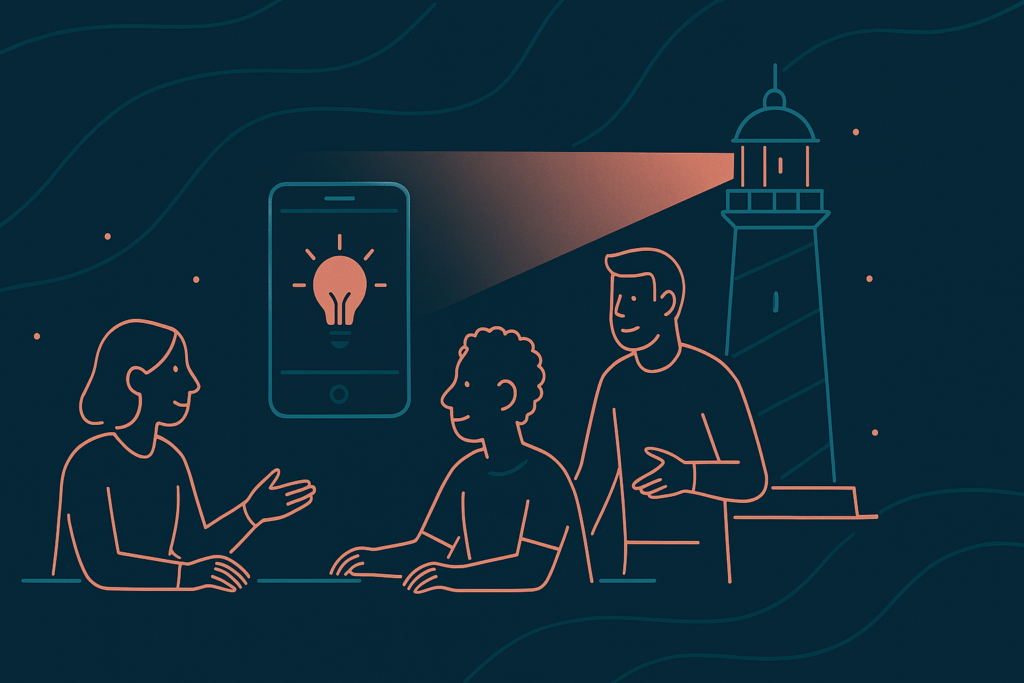
Understanding Your Mobile App Development Needs
Before you start to hire a mobile app developer, it’s important to know what you need. This step is key to making sure your app does what you want it to do.
Figuring out your mobile app development needs means deciding on the app’s features and who it’s for. Knowing what your app should do and for whom helps guide the development. This way, the app will likely meet your expectations.
It’s also crucial to have a clear project scope. This means listing what your app needs, like the platforms it will run on and its design. You should also think about any connections to backend systems or other services.
Your app development goals should be clear and achievable. They could be to get more customers, offer a new way to sell, or make things run smoothly. Having specific goals helps in planning how to make your app.
By really understanding and writing down your app development needs, you’re setting up for success. This clarity also helps when talking to potential developers. It makes sure you find someone who can make your app idea real.
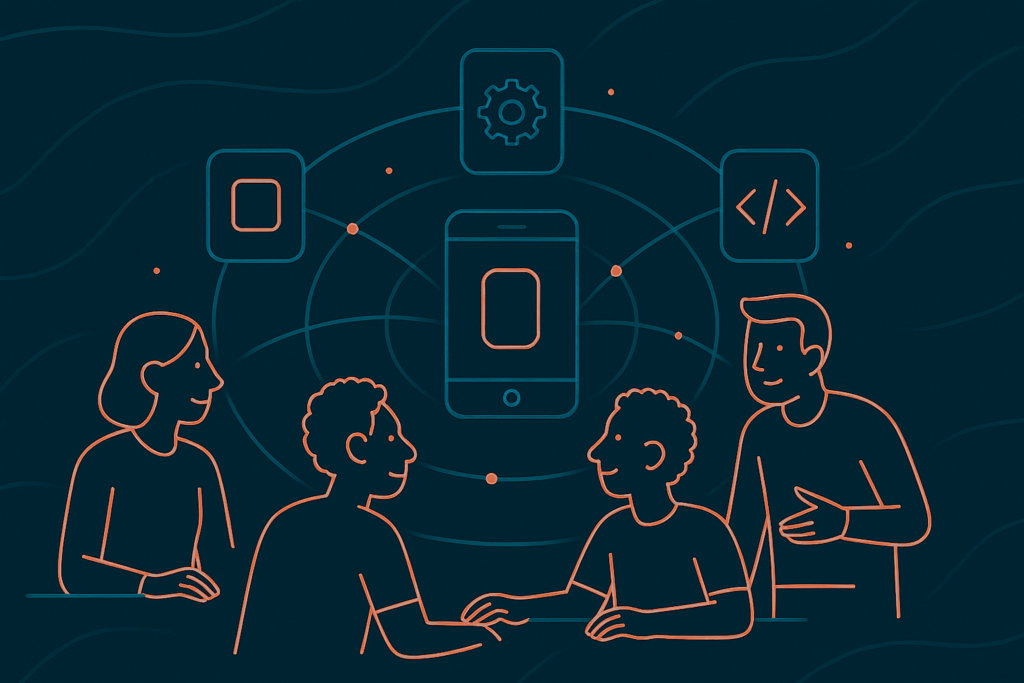
Types of Mobile App Developers You Can Hire
Starting your mobile app development journey? Knowing several types of developers is crucial. You can choose from in-house, freelance, or outsourced developers.
In-house developers work for your company. They offer effective communication and direct oversight. But they come with high costs like salaries and benefits.
Outsourced developers are teams hired for your app. They bring a wide range of skills and are often cheaper. But managing them from afar can be tough.
Freelance developers work on a project basis. They are flexible and can save you money.
Here’s a quick comparison:
- In-house: Higher costs
- Outsourced: Challenging to manage
- Freelance: Flexible and cost-effective
Choosing between in-house, freelance, or outsourced developers depends on your project’s needs and budget. Understanding each option’s pros and cons helps you make the best choice for your app’s success.
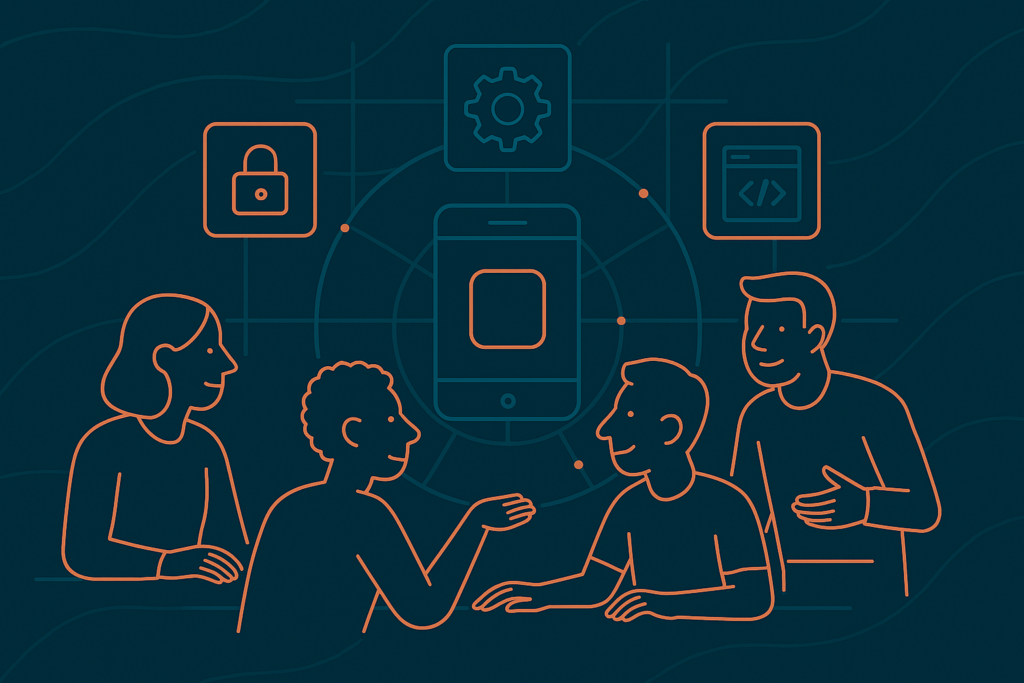
Essential Skills to Look for in a Mobile App Developer
A successful mobile app project needs a developer with the right skills. These include technical skills like programming languages and development frameworks. Soft skills are also important. Together, they ensure a high-quality app.
Technical skills are key to any app project. Knowing programming languages like JavaScript is crucial. Developers should also know frameworks like React Native for cross-platform apps. This knowledge helps create apps that work well and are easy to use.
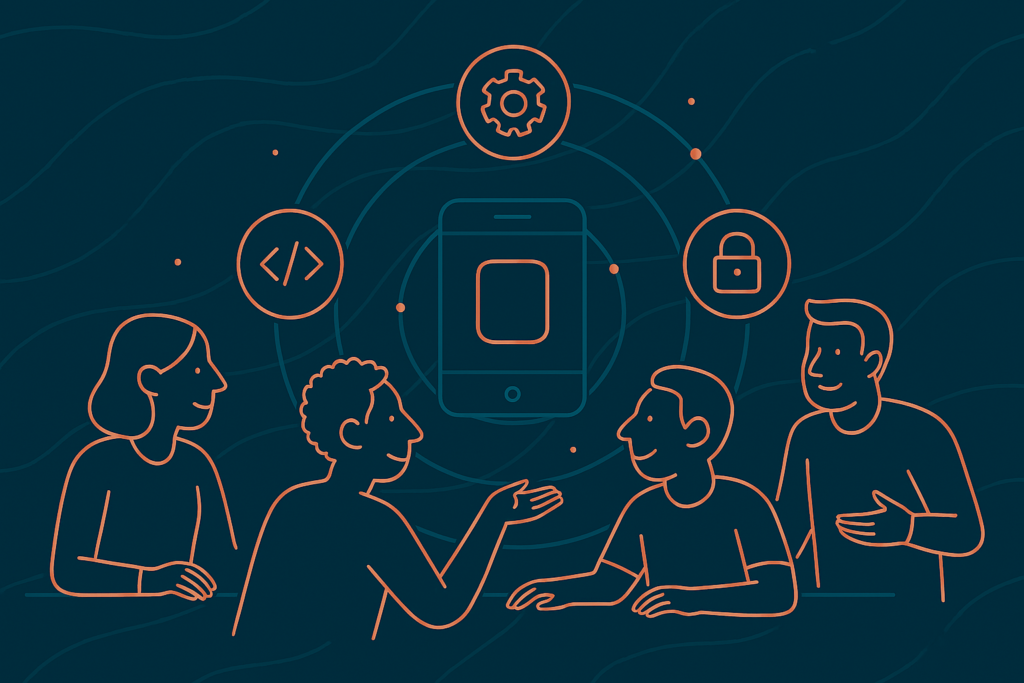
Programming Languages and Development Frameworks
The choice of programming language and framework affects the app’s performance and user experience. For example, native iOS apps use Swift or Objective-C, while Android apps often use Java or Kotlin. Cross-platform frameworks like React Native let developers make apps for both iOS and Android with one codebase, mainly using JavaScript.
Soft skills are also crucial for a successful app project. Effective communication helps understand project needs and aligns the developer with your vision. Teamwork and problem-solving skills are also important. They help the developer work well with your team and solve any development challenges.
By looking for both technical and soft skills in a developer, you can be sure your project is safe. This balanced approach ensures your app meets and exceeds your expectations.
How to Evaluate a Developer’s Portfolio When You Hire a Mobile App Developer
To judge a developer’s skills, it’s key to dive into their portfolio. A good portfolio shows their technical ability. It also reveals their problem-solving skills and experience with different projects.
When I hire a mobile app developer, I look for project experience that matches my needs. I see if they’ve tackled similar projects before. For example, if I need a complex app, I check if they’ve worked on big projects and how they overcame hurdles.
Portfolio quality is also crucial. A top-notch portfolio details each project, including tech used and the developer’s role. Seeing demos or visual examples is a plus. It shows their ability to create a finished product.
I also watch out for red flags. These include a lack of project variety, bad documentation, or too much focus on one tech. A varied portfolio shows they can adapt and grow.
In short, evaluating a developer’s portfolio means looking at their experience, the quality of their work, and any warning signs. This helps you choose the right developer for your app project.

The Step-by-Step Process to Hire a Mobile App Developer
To hire a mobile app developer, you need a clear plan. This ensures your app meets your goals. Follow a step-by-step guide to find the perfect developer for your project.
The first step is to define your project requirements. List the app’s features, what it can do, and what you want to achieve. This helps you know what kind of developer you need and what skills they must have.
Next, look for potential candidates. You can search online, ask for referrals, or post job ads. Once you have a list, review their portfolios and references.
Then, conduct interviews with the top candidates. Prepare questions to check their technical skills, experience, and if they fit your project.
After choosing the right developer, clearly outline the project’s terms. Include the scope, timeline, and payment details. This ensures a smooth development process and avoids misunderstandings.
By following these steps, you can hire a mobile app developer who can create a high-quality app that meets your needs.
Technical Interview Questions to Ask Potential Developers When You Hire a Mobile App Developer
It’s key to thoroughly interview developers to see their problem-solving and technical skills. When you’re interviewing, ask questions that check their abilities and experience.
Ask about their knowledge of programming languages, frameworks, and solving problems. For example, you might ask them to explain a tough technical idea or solve a problem.
Some examples of technical interview questions include:
- How would you make a slow mobile app faster?
- Can you explain the differences between native, hybrid, and cross-platform development?
- How do you approach debugging and troubleshooting in your development work?
When you’re checking their answers, look for signs of their technical knowledge and problem-solving. A suitable candidate should give clear, simple answers that show their skills.
“The best developers are those who cannot only write clean, efficient code but also communicate their thought process and problem-solving strategies effectively.”
By asking the right questions, you can really understand a developer’s skills. This helps you make a better choice when you are hiring.

Red Flags to Watch Out for When You Hire a Mobile App Developer
When you’re looking to hire mobile app developers, it’s key to know the warning signs. These signs can help you avoid common pitfalls. This way, your project can run smoothly.
One big red flag is poor communication. If a developer doesn’t respond well or is unclear, it might mean trouble ahead. Poor communication can cause misunderstandings and delays. This can hurt your project’s quality.
Other warning signs include:
- Unrealistic expectations about the project’s timeline or budget
- Lack of relevant experience or a weak portfolio
- Unwillingness to provide references or share earlier work
- Insufficient technical skills or knowledge
Knowing these common mistakes helps you make a better choice. It’s also important to trust your instincts. Don’t ignore potential problems, even if the developer seems good at first.
By watching out for these red flags, you can lower the risk of project failure. This ensures your mobile app development project is a success.
Understanding Mobile App Development Costs
When you plan to make a mobile app, knowing the costs is key to good budgeting. I’ll help you navigate the costs of mobile app development. This way, you can make smart choices.
Costs for mobile app development change a lot. This depends on how complex the project is, the tech used, and the rates of developers. The project’s complexity greatly affects the cost. More complex projects need more time, skills, and resources.
The tech stack you pick also matters a lot. For example, making a native app for both iOS and Android costs more than a cross-platform app. “Choosing the right technology stack is crucial for your budget”. It’s important to pick the best tech for your project.
“The biggest risk is not taking any risk…” – Mark Zuckerberg
Other things that affect costs include the developers’ experience and where they are, how complex the design is, and if you need a backend. To budget well, you need to know these factors and how they might change your project’s cost.
- Project complexity
- Technology stack
- Developer rates and experience
- Design complexity
- Backend infrastructure needs
By thinking about these things, you can make a better budget for your app project. It’s a clever idea to work closely with your team. This way, you both understand the project’s scope and costs.
Good budgeting is essential for your app project’s success. Knowing what affects costs helps you plan and manage your project’s money better. This leads to a successful outcome.
Legal Considerations When You Hire a Mobile App Developer
When you hire a mobile app developer, knowing the legal side is key. A good contract is crucial. It should cover the work, deadlines, payment, and who does what?
Contracts are the foundation of any deal. They make sure everyone knows their role. A solid contract will list what needs to be done, when, and how to handle problems.
Protecting intellectual property (IP) is also important. You should know who owns the app’s rights. Usually, you want to own it, but it depends on the agreement. A clear IP clause in the contract helps avoid future issues.
Confidentiality is another big deal. Developers might see your business secrets. A non-disclosure agreement (NDA) is needed to keep your info safe.
Think about the legal side of making the app, too. This includes following laws, like data protection, if your app uses user data. Make sure your developer follows these rules.
To wrap it up, when you hire a developer, remember to:
- Make a detailed contract that covers everything.
- Be clear about who owns the app’s rights.
- Use confidentiality agreements to guard your secrets.
- Check that your developer follows the law.
By paying attention to these legal points, you can safeguard your project and make the app-making process smoother.

Creating an Effective Development Contract When You Hire a Mobile App Developer
When you hire a mobile app developer, a detailed contract is key to success. This contract outlines what needs to be done, who does it, and when. It’s like a map for the project.
A good contract should have key elements. First, it should clearly say what the project includes. This means listing the app’s features, what it can do, and what you’ll get at the end.
Another important part is the project timeline. This shows the important steps, deadlines, and what needs to happen first. It makes sure everyone knows when things should be done.
Payment terms are also crucial. This section discusses the payment details, including the amount, timing, and any additional payments required for specific project components.
The contract should also cover intellectual property rights. It should say who owns the app, its parts, and any ideas used in it.
With these contract essentials, you can make a strong contract. It protects your interests and helps the project succeed.

Managing Your Development Relationship
A well-managed development relationship is key to a successful mobile app. Focus on communication, collaboration, and project management. Clear channels and processes make for a smooth partnership.
Effective communication is crucial. Regular updates and open talks prevent misunderstandings. This ensures both sides are on the same page with the project’s goals and timelines.
Collaboration is also essential. Working together, you can utilize the developer’s skills to bring your vision to life. This teamwork makes the development process more productive and efficient.
To manage your project well, use a strong project management system. Tools for tracking progress, setting milestones, and communication are helpful. They let you keep up with the project’s status and make smart decisions.
In summary, managing your development relationship needs a structured approach. Focus on communication, collaboration, and project management. These strategies help ensure a successful partnership and a top-notch mobile app.

Ensuring Quality Throughout the Development Process
To make a top-notch mobile app, quality must be kept high throughout development. This means using a detailed approach. It includes thorough testing, strong quality checks, and making improvements step by step.
Testing is key to quality. It checks the app against certain standards to find bugs and areas for improvement. Good testing covers unit, integration, and user acceptance testing (UAT) to check all parts of the app.
Quality Assurance (QA) is more than just testing. It focuses on the ways and methods used in making the app. A QA framework sets high standards by outlining best practices and coding rules. This helps avoid mistakes and keeps the team up to date with industry norms.
Iteration is also crucial. It means making the app better based on feedback from testing, QA, and others. This ongoing improvement ensures that the app is top quality and works as expected.
To make these strategies work well, try these tips:
- Do regular code reviews to keep coding standards high.
- Use automated testing tools to make testing easier.
- Include user feedback early and often during the process.
- Build quality in the development team.
By adding testing, quality assurance, and iteration to your process, you can make sure your mobile app is of the highest quality. This will give users a wonderful experience and help your app stand out in a crowded market.
Conclusion
I’ve shown you how to find the best mobile app developer for your project. It’s key to know what you need, check their skills, and think about legal stuff. By doing this, you’ll have a great partnership.
Finding the right developer takes time and thought. Look at their work, their tech skills, and how much experience they have. This way, you’ll pick the best for your project.
To wrap it up, a successful app project needs good planning, clear communication, and a solid contract. I’ve covered the main points. Use these tips to find a great developer and work well together.


Discovery
This is where every great app begins. This stage includes open discussion to understand your goals, in-depth research to identify opportunities, and clear scope definition to set the foundation for success. By aligning vision and strategy from the start, this phase ensures that development moves forward with focus, efficiency, and confidence.
↓
Discuss
Research
Define Scope
Design
This will bring your app to life visually with a clear style guide and prototypes. This stage defines the look, feel, and flow of your product, ensuring consistency across every screen and a seamless user experience. By combining creativity with usability, this phase lays the groundwork for an app that is both visually stunning and intuitive to navigate.
↓
Create a Style Guide
Prototype Designs
Build
Here Ideas will take shape and come to life. During this stage, layouts are crafted for clarity and usability, functionality is built to deliver seamless performance, and content is integrated to create a polished, engaging experience. Every detail is handled with precision to ensure the final product reflects your vision and meets the highest standards of quality.
↓
Layout Components
Install Functionality
Incorporate Content
Distribution
The final state ensures your app reaches the world with impact. This stage includes preparing your app for launch and managing submission to app stores, handling requirements and guidelines with expertise. By streamlining the process, the distribution phase makes your app accessible to users quickly and positions it for maximum visibility and success.
↓
Gather Requirements
Submit for Review
Publish to App Stores
Ready to transform your vision into a cross-platform reality? Book a call to discuss your project goals, timelines, and how we can bring your app to life on iOS, Android, and the web.
© Copyright Bessa Community Apps, LLC