


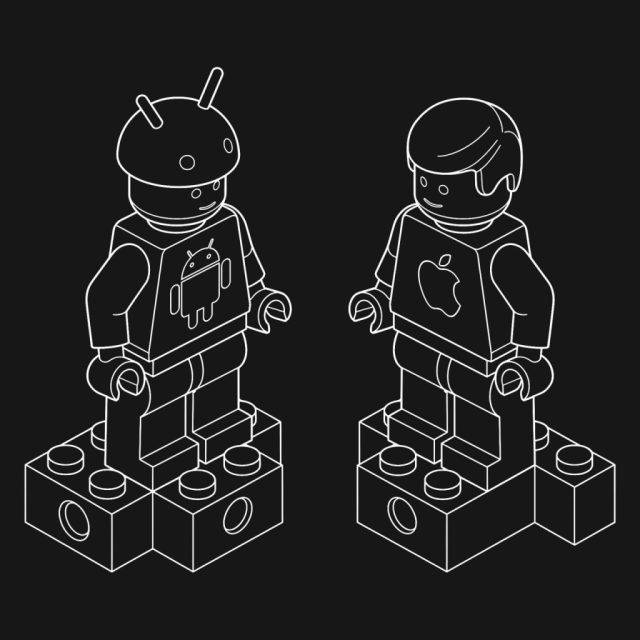
Cross-platform app development is transforming how organizations connect and engage. It offers a unified solution for creating apps that work on multiple platforms. This approach is especially beneficial for community leaders, non-profit organizations, and educational program directors.
By using a single codebase, cross-platform development reduces costs and time. It ensures a consistent user experience across devices, enhancing engagement. Popular frameworks like React Native make this possible.
These tools allow for faster updates and easier maintenance. They also support customization to meet diverse community needs. Cross-platform apps can integrate with existing systems, improving efficiency.
This development strategy is a game-changer for organizations aiming to maximize their digital presence. It empowers them to focus on their core mission while ensuring effective digital engagement.
What is Cross-Platform App Development?
Cross-platform app development refers to the process of creating mobile applications that function across various operating systems, such as iOS and Android, from a single codebase. This method significantly streamlines the development process.
A key advantage is the ability to write code once and deploy it across multiple platforms. This reduces both development time and costs.
Cross-platform development leverages various frameworks to facilitate this efficiency. These frameworks are equipped with tools that enable seamless operation across different devices.
Key Features of Cross-Platform Development:
This approach provides organizations with the necessary tools and capabilities to effectively address the wide range of needs and preferences presented by their users. At the same time, it ensures that these organizations can maintain a clear focus on their overarching strategic goals. By aligning user needs with their mission and objectives, organizations can create a more cohesive environment that promotes engagement and collaboration, ultimately leading to greater success and impact within their communities.
- Single Codebase
- Cost-Effective
- Consistent Experience
Why Cross-Platform Development Matters for Community Leaders and Organizations
Community leaders face the challenge of keeping members engaged across various platforms. Cross-platform app development addresses this by offering a unified user experience, enhancing engagement.
Non-profit organizations often work with tight budgets and limited resources. Adopting a multi-platform app can help minimize costs while maximizing outreach to potential donors and volunteers.
For education program directors, cross-platform tools allow seamless distribution of resources and communication with diverse learners. This ensures inclusivity and fosters a collaborative learning environment.
Benefits for Community-Oriented Initiatives:
Implementing cross-platform solutions can significantly change the way organizations operate daily. These solutions facilitate better communication and collaboration among members, leading to stronger connections within the community. As a result, organizations can more effectively achieve their mission goals, ensuring that they meet the needs of their members and the community as a whole. By embracing these innovative approaches, organizations can enhance their operational efficiency and improve engagement in their activities.
- Streamlined Communication
- Budget-Friendly
- Inclusive Access
Key Benefits of Cross-Platform App Development
Cross-platform app development offers a multitude of benefits for organizations aiming to enhance their digital presence. By utilizing a single codebase, organizations can develop apps that function smoothly on multiple devices and operating systems. This approach not only reduces costs but also streamlines the development process.
One major advantage is reaching a broader audience. Launching on multiple platforms simultaneously increases visibility and user engagement. Moreover, these apps provide a consistent look and feel, which is crucial for maintaining brand integrity.
Cross-platform solutions ensure that updates and bug fixes happen swiftly. This keeps apps functional and competitive. Additionally, the flexibility of these apps allows for future scalability.
- Broader audience reach
- Consistent branding
- Swift updates and maintenance
The use of cross-platform mobile development services allows organizations to focus more on user needs and less on managing multiple codebases. This results in greater efficiency and effectiveness in achieving organizational goals.
Cost Efficiency and Resource Optimization
Organizations often operate within tight budget constraints, making cost efficiency a priority. Cross-platform app development is inherently resource-friendly, as it allows teams to work with a single codebase. This reduces the need for separate teams and development efforts for each platform.
The approach drastically cuts down costs associated with app development. A single development cycle is not only cost-effective but also less time-consuming.
- Unified development reduces costs
- Minimizes team size requirements
- Efficient use of existing resources
Cross-platform apps also optimize the use of technology, enhancing the overall resource management of an organization.
Faster Time to Market and Easier Maintenance
One of the most compelling advantages of cross-platform development is a quicker time to market. Organizations can deploy apps to multiple platforms without the usual lengthy delays. This ensures they remain competitive and responsive to market changes.
Maintenance becomes significantly easier as updates and bug fixes need to be implemented only once. This applies across all platforms, ensuring consistency and functionality.
- Accelerated launch timelines
- Simultaneous updates across platforms
- Simplified ongoing maintenance
Overall, cross-platform development keeps organizations agile, allowing them to adapt swiftly to user feedback and industry trends.
Consistent User Experience Across Devices
Ensuring a consistent user experience is vital for any successful app. Cross-platform development provides a uniform look and feel, enhancing user satisfaction and engagement. Users appreciate familiarity across different devices and platforms.
This approach contributes to smoother user interactions, minimizing confusion and maximizing app functionality.
- Uniform app design across all platforms
- Enhanced user satisfaction
- Minimal learning curve for users
Satisfying user experience is key to retaining users and building a loyal customer base.
Enhanced Engagement and Accessibility
Cross-platform apps boost engagement by offering inclusive designs that cater to various user needs. The ability to access apps on any device makes them more approachable and user-friendly. This is crucial for communities, non-profits, and educational programs striving for inclusivity.
Accessibility features ensure everyone can benefit from the app, regardless of their technical skills or physical abilities.
- Multi-device accessibility
- Inclusive design for diverse users
- Features supporting user engagement
Cross-platform development breaks barriers, enabling broader and deeper connections with the intended audience.
Popular Cross-Platform App Development Frameworks
Selecting the right framework is crucial for achieving successful cross-platform app development. Various frameworks are available, each offering unique capabilities and benefits. These tools simplify the development process, enabling organizations to create high-quality apps efficiently.
React Native is known for its powerful features and vibrant community support. It is suitable for different project needs.
React Native is renowned for its JavaScript-based architecture. With numerous options, it’s essential to understand the unique offerings of each framework.
- Diverse platform compatibility
- Strong community support
- Robust feature sets
Selecting the right framework depends on various factors, including target users and available resources. Organizations benefit from exploring these options to find the best fit.
React Native
Developed by Facebook, React Native enables the creation of apps using JavaScript. Its component-based structure allows for high performance and flexibility. With a vast library and active community, it supports rapid development.
- Reusable components
- Large developer community
- Strong performance metrics
React Native’s ability to deliver a native-like experience on both iOS and Android makes it a popular choice.
How to Choose the Best Cross-Platform Framework for Your Needs
Selecting the right cross-platform framework hinges on understanding your project’s specific requirements. Each framework offers distinct benefits tailored to various application needs.
Begin by evaluating your team’s expertise. Familiarity with a particular programming language or tool can speed development and lower costs. Also, consider the complexity and demands of your project, as some frameworks offer advanced features that suit large-scale applications.
- Development team skills
- Project scope and complexity
- Target audience and platform preferences
Analyze the framework’s community and support. A robust community ensures ongoing updates and troubleshooting assistance. Cost considerations are also pivotal, as some frameworks incur licensing fees.

Real-World Use Cases: Community, Non-Profit, and Education
Cross-platform apps transform how communities, non-profits, and educational programs operate. They streamline communication and resource sharing, enhancing engagement and participation.
Community managers use these apps to centralize member interactions. They offer real-time updates and event notifications, fostering active participation.
- Streamlined communication
- Event management tools
- Real-time updates
Non-profit leaders optimize volunteer coordination with these apps. They ensure mission goals are communicated effectively, despite limited resources.
- Volunteer coordination
- Efficient mission communication
- Resource optimization
Education programs leverage cross-platform apps for distributing resources. They facilitate communication between educators and students, supporting diverse learning needs.
These examples highlight how tailored digital solutions enhance connectivity and organization. They empower communities to achieve their goals effectively.
Getting Started: Steps to Build Your Multi-Platform App
Starting with multi-platform app development requires a clear plan. Begin by defining your app’s objectives and the needs it will address.
Next, choose the right development framework that aligns with your goals. Consider factors like ease of use, community support, and compatibility with existing systems.
- Define objectives and user needs
- Select a fitting development framework
- Plan your app architecture
Build a prototype to test your app’s core functionalities. Use user feedback to make necessary enhancements, ensuring the app meets community needs.
Conclusion: Empowering Your Mission with Cross-Platform App Development
Cross-platform app development is more than just a technical approach. It is a strategic tool that can significantly benefit community managers, non-profit leaders, and education directors. By leveraging its advantages, organizations can streamline operations, enhance user engagement, and effectively reach diverse audiences.
Investing in a cross-platform app positions your organization for success. It enables you to adapt to changing needs and priorities. Choose this path to enhance your digital presence and ensure that your mission resonates well with your stakeholders. Cross-platform solutions are not only effective; they’re essential in today’s digital landscape. Embrace this technology and propel your mission forward.
Services
A Simple Path from Idea to Launch
As a mobile app developer, I use a clear, collaborative process that makes mobile app development services feel approachable instead of overwhelming. Every project moves through four stages, Discovery, Design, Build, and Distribution, each crafted to keep you informed and confident. From defining your vision, to prototyping your product, to building intuitive cross-platform experiences, to navigating the App Store and Play Store submission process, this workflow ensures your app launches smoothly and grows with purpose.
Discovery
This is where every great app begins. This stage includes open discussion to understand your goals, in-depth research to identify opportunities, and clear scope definition to set the foundation for success. By aligning vision and strategy from the start, this phase ensures that development moves forward with focus, efficiency, and confidence.
- Discuss
- Research
- Define Scope
Design
This will bring your app to life visually with a clear style guide and prototypes. This stage defines the look, feel, and flow of your product, ensuring consistency across every screen and a seamless user experience. By combining creativity with usability, this phase lays the groundwork for an app that is both visually stunning and intuitive to navigate.
- Create a Style Guide
- Prototype Designs
Build
Here Ideas will take shape and come to life. During this stage, layouts are crafted for clarity and usability, functionality is built to deliver seamless performance, and content is integrated to create a polished, engaging experience. Every detail is handled with precision to ensure the final product reflects your vision and meets the highest standards of quality.
- Layout Components
- Install Functionality
- Incorporate Content
Distribution
The final state ensures your app reaches the world with impact. This stage includes preparing your app for launch and managing submission to app stores, handling requirements and guidelines with expertise. By streamlining the process, the distribution phase makes your app accessible to users quickly and positions it for maximum visibility and success.
- Gather Requirements
- Submit for Review
- Publish to App Stores
Reach out to share what you're building, and I'll help you simplify the process and move from concept to launch with confidence.
© Copyright Bessa Community Apps, LLC

