

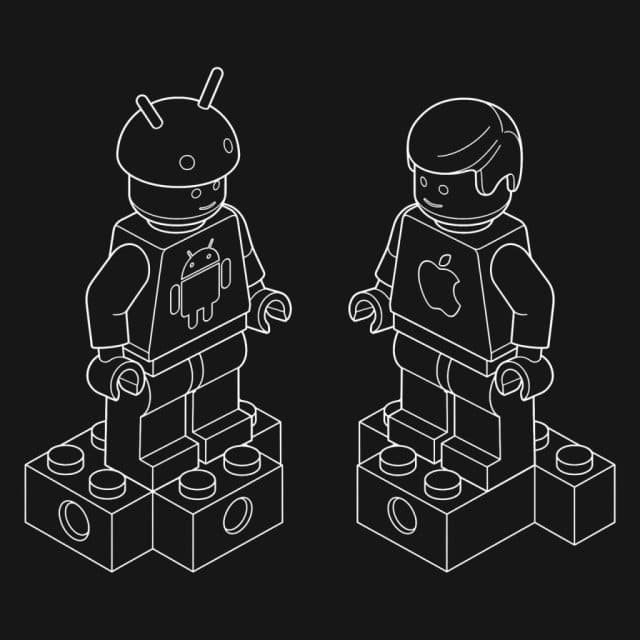
Many individuals and organizations initially feel immobilized when they have a brilliant mobile concept but struggle with how to transform it into a truly impactful product. This uncertainty, coupled with a lack of familiarity with mobile development and app distribution, often makes them hesitant to proceed. One of the first major hurdles an entrepreneur faces is understanding the difference between native and cross-platform app development and deciding which technical path best suits their project’s long-term goals. By serving as a comprehensive cross-platform app development guide, this post will help clarify these critical options so visionaries can confidently move from concept to app store.
When exploring the vast landscape of mobile technology, the technical debate of native vs. cross-platform app development is impossible to ignore. Native development refers to building an application specifically for a single operating system, using languages such as Swift for Apple devices or Kotlin for Android. While this traditional method offers excellent localized performance, evaluating native vs. cross-platform app development often reveals that building the same application twice requires significantly more time, staffing, and financial resources.
On the flip side of the native vs. cross-platform app development conversation is the unified codebase approach. This modern methodology allows developers to write a single codebase that runs beautifully across iOS, Android, and the web, ensuring the application is built to grow. For entrepreneurs and organizations currently in the ideation and concept-generation stage, understanding the nuances of native vs. cross-platform app development is crucial, as it directly impacts both their initial budget and time-to-market.
A thorough analysis of native vs. cross-platform app development consistently points to the unified approach as a highly efficient way to reach a much broader audience without duplicating effort.
When guiding nervous clients through the intricacies of native vs. cross-platform app development, the ultimate goal is to make the mobile app development process feel completely non-intimidating. Offering a clear and professional cross-platform app development guide helps demystify the technical landscape, ensuring there is no jargon between visionaries and their digital ambitions.

The Core Differences in Native vs. Cross-Platform App Development
To truly grasp the long-term implications of native vs. cross-platform app development, one must first consider how each programming framework interacts with a mobile device’s hardware. Native applications have direct, unmitigated access to device-specific features like the camera, GPS sensors, and microphone without needing an intermediate software bridge. However, modern coding frameworks have evolved significantly, making the performance gap in native vs. cross-platform app development much narrower when it comes to smoothly accessing these vital hardware components.
User experience is another critical battleground in the ongoing arena of native vs. cross-platform app development. Traditionally, native applications were heavily celebrated for their buttery-smooth screen animations and platform-specific interface design rules. Today, a well-executed cross-platform app development guide will demonstrate how modern tools enable developers to deliver a user interface virtually indistinguishable from a natively built application, fundamentally shifting the traditional paradigm of native vs. cross-platform app development.
Post-launch maintenance and software updates also play a massive role in evaluating the true cost of native vs. cross-platform app development. When maintaining native applications, organizations must update two entirely separate codebases, effectively doubling the workload for every minor bug fix or major feature rollout. In stark contrast, the unified model simplifies this massive headache by allowing simultaneous updates across all platforms. This advantage often tilts the strategic scales when comparing native vs. cross-platform app development.
Cost and Time Implications
Financial considerations are frequently the final deciding factor when project stakeholders debate native vs. cross-platform app development. Because the native route requires hiring specialized developers for both iOS and Android, the associated labor costs can quickly skyrocket beyond an early-stage startup’s financial reach. Bessa Community Apps recognizes this barrier to entry, which is why typical project costs generally range from $1,500 to $3,000, making the unified approach highly accessible. Thus, evaluating the budget heavily influences the outcome of any decision about native vs. cross-platform app development.
Time to market is equally vital for new digital products, and here, the dynamics of native vs. cross-platform app development present a very stark contrast in efficiency. Writing one single codebase instead of two drastically accelerates the entire development lifecycle, allowing anxious innovators to validate their ideas in the real world much faster. This impressive speed is a central theme in any effective cross-platform app development guide, as getting to the app marketplace quickly often dictates a product’s initial user adoption, further highlighting the importance of understanding native vs. cross-platform app development.
Why Innovators Choose the Cross-Platform Route
Entrepreneurs and startup founders often operate with lean operational teams and highly limited venture capital, making their perspective on native vs. cross-platform app development highly pragmatic. It is common to hear them say that their app idea is great, but figuring out the “Now what?” requires strategic decision-making to maximize their financial runway. For these trailblazers, the logical choice within the native vs. cross-platform app development debate leans heavily toward scalable solutions that offer maximum market reach with minimal redundant effort.
By partnering with a dedicated firm or freelancer that offers a comprehensive end-to-end process, from ideation to app distribution, founders can easily bypass the severe headaches usually associated with native vs. cross-platform app development. They require a reliable, solution-oriented approach that is consistently reassuring and client-focused, seamlessly positioning the developer as the problem-solver while keeping the client as the celebrated hero. In this highly supportive context, navigating native vs. cross-platform app development becomes less a technical barrier and more a strategic stepping stone.
Organizational Benefits in the Native vs. Cross-Platform App Development Discussion
For non-profits, established businesses, and educational institutions, the requirements that drive their views on native vs. cross-platform app development focus heavily on internal utility and external accessibility. These diverse organizations often deploy communication tools designed to work across a wide array of unpredictable employee or constituent personal devices. Therefore, opting for a unified codebase rather than juggling the immense complexities of native vs. cross-platform app development ensures that everyone within the organization has equitable access to the digital tools they need.
Bessa Community Apps deeply values inclusivity and empathy, actively ensuring that these organizational applications effectively serve diverse, multi-device user bases. When an educational institution evaluates native vs. cross-platform app development, it must carefully consider students who use older, budget Android phones alongside those who use the latest, premium iPhones. Recommending a single, robust technological solution aligns perfectly with a comprehensive cross-platform app development guide, vastly simplifying the daunting task of choosing between native vs. cross-platform app development.
Building Communities Through Cross-Platform App Development Strategies
Communities seeking modern digital tools to foster connection, coordinate local events, and drive collective action face highly unique challenges in the complex realm of native vs. cross-platform app development. The overarching goal for these social groups is seamless, frictionless interaction, which means the custom application must perform reliably for every single member, regardless of their preferred mobile operating system. This specific inclusive requirement almost always settles the debate of native vs. cross-platform app development heavily in favor of cross-platform frameworks.
Bringing varied groups of people together digitally requires a strong commitment to innovation, curiosity, and creativity, core values that are deeply embedded in Bessa Community Apps’ daily methodology. When a passionate community leader is bogged down in the highly technical debate over native vs. cross-platform app development, they risk seriously losing critical momentum for their underlying social cause. Providing a straightforward cross-platform app development guide empowers them to focus entirely on community building rather than getting hopelessly lost in the technical weeds of native vs. cross-platform app development.
The End-to-End Journey: Simplifying Native vs. cross-platform App Development
Because most clients engage during the crucial ideation and concept-generation stage, this period is the perfect time to address the realities of native vs. cross-platform app development. In this early phase, digital ideas are highly fluid, and outlining a concrete technological plan is essential to effectively help clients move past the familiar feeling of being immobilized. An expert development partner uses this preliminary stage to honestly break down the pros and cons of native vs. cross-platform app development and meticulously tailor the engineering strategy to the client’s specific creative vision.
The software development journey doesn’t suddenly end with coding; it extends fully into App Store (Apple and Android) Distribution and ASO. Managing these final, critical steps can be daunting for newcomers, but making the right architectural choice in native vs. cross-platform app development ensures that the final digital product natively meets the stringent technical guidelines of both major marketplaces. This seamless, guided transition is a cornerstone of the professional services offered by Bessa Community Apps, demonstrating why resolving the native vs. cross-platform app development question early is so critical to the timeline.
Conclusion
Ultimately, Bessa Community Apps’ mission is to transform bold ideas into custom cross-platform solutions, safely guiding innovators, organizations, and communities from initial ideation through to a successful launch. To achieve this goal, a thorough understanding of the technical trade-offs inherent in native vs. cross-platform app development is an unavoidable yet highly educational first step. By leaning on a human-centered, modern, minimal, and high-tech approach, clients can confidently and securely navigate the complexities of native vs. cross-platform app development.
Stop dreaming, start launching. Whether you are a bootstrapping startup founder or a passionate community organizer, utilizing a trusted cross-platform app development guide will easily illuminate the most efficient, cost-effective path forward. The ongoing discussion surrounding native vs. cross-platform app development doesn’t have to be a frustrating roadblock; instead, let it be the strategic catalyst that turns your incredible concept into a thriving reality, proving once and for all that the right choice in native vs. cross-platform app development leads directly to long-term success.